


College jerseys are cut looser than fashion tops, and the fit varies more between sports than between sizes. A lightweight basketball jersey and a stitched football jersey in the same labelled size are two different garments. Measure first, then buy.
The two measurements to take
Measure a shirt the person already wears, then compare it to the jersey's flat measurements:
| Measurement | How to take it | What it decides |
|---|---|---|
| Pit to pit | Shirt laid flat, straight across from armpit seam to armpit seam | Chest fit — the number most often guessed wrong |
| Collar to hem | Top of the collar seam straight down the back to the bottom edge | Length — jerseys are meant to hang lower than t-shirts |
Comparing flat measurements to flat measurements removes almost all of the sizing guesswork. Comparing a size chart to your own height and weight does not.
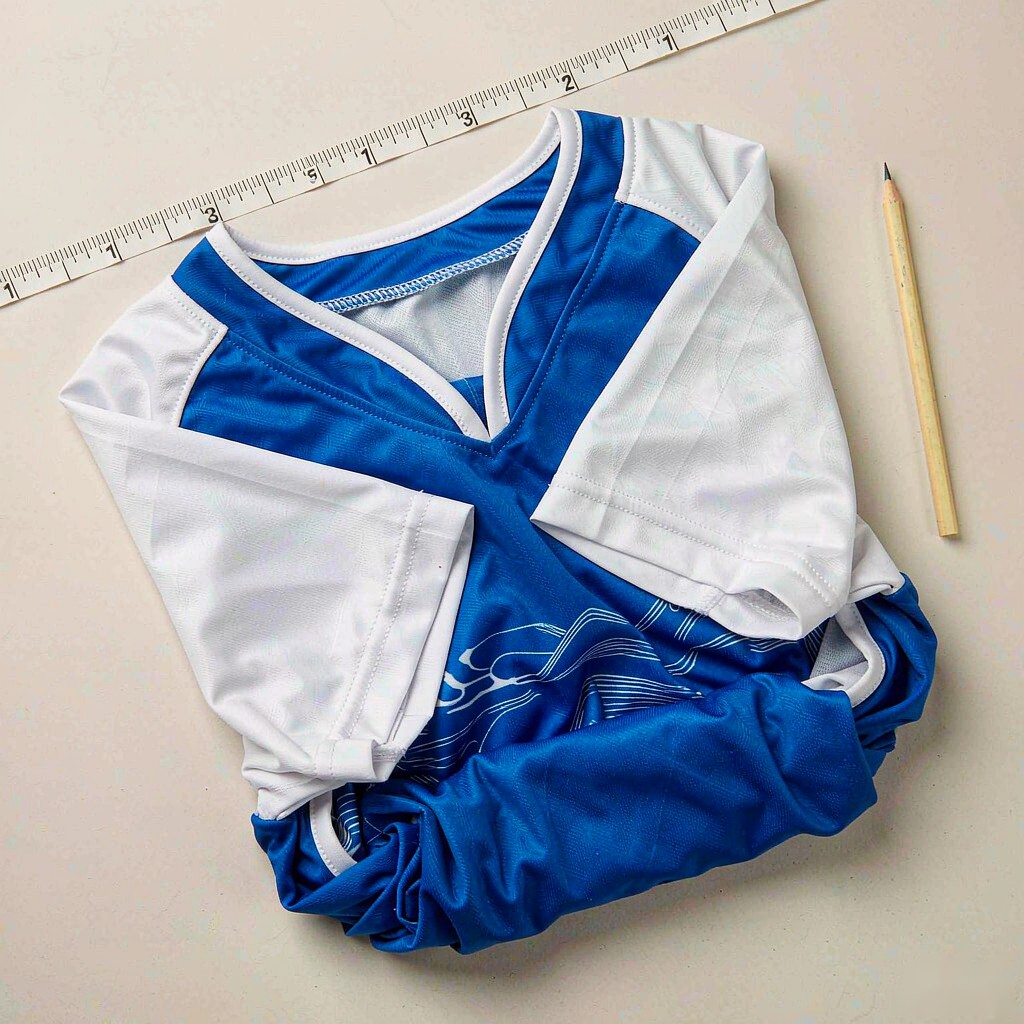
Lightweight versus stitched: the fit difference
- Lightweight — the loosest tier, soft breathable fabric, printed lettering. Falls between $53.90 and $70.90 in our range. Closest to a relaxed t-shirt.
- Stitched — heavier fabric, sewn lettering, a boxier cut closer to a game garment. Typically $87.95–$90.95. Runs bigger in the body and is warmer to wear.
Because stitched jerseys are cut for a game-day context, they tolerate being oversized better than the lightweight tier does — but they are also harder to layer under anything.
Sport-specific differences
The same school's basketball jersey and football jersey do not fit the same:
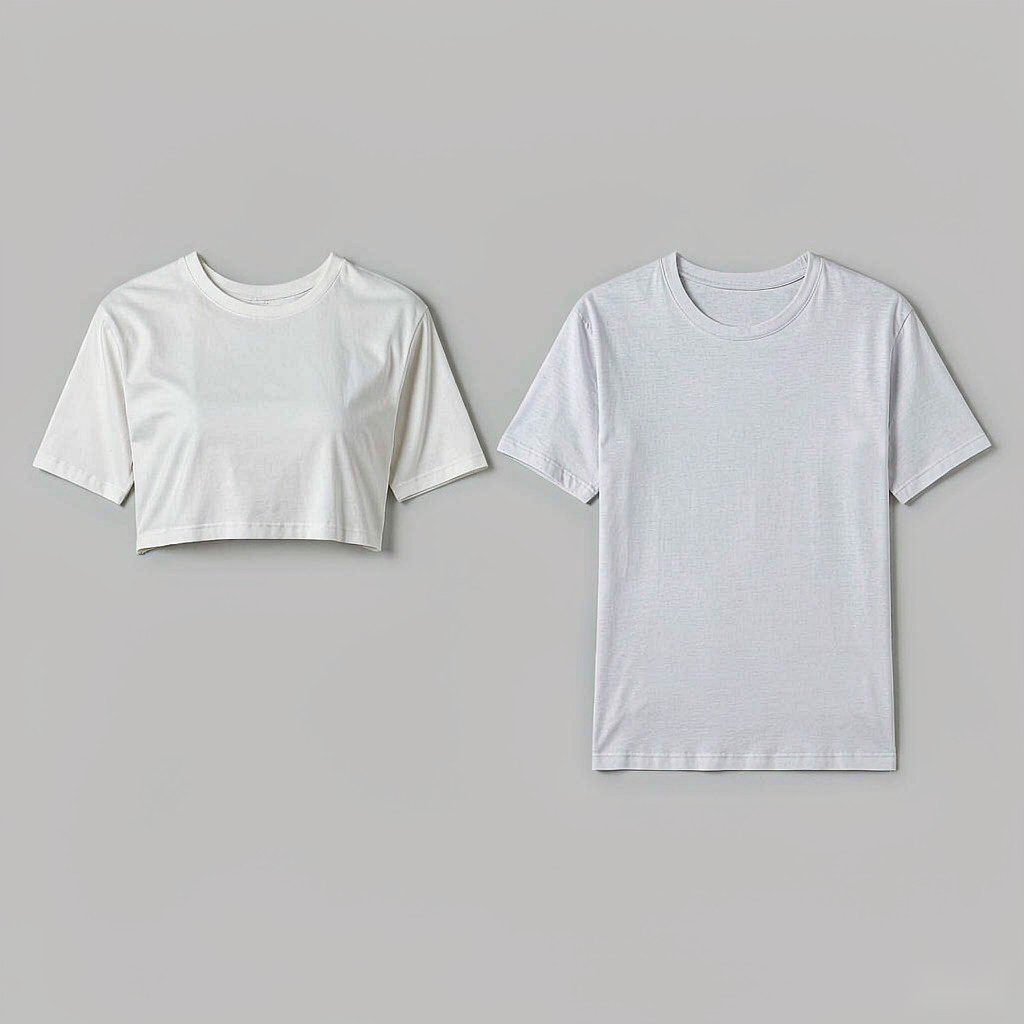
- Football — sleeved, roomiest through the shoulders, designed to go over padding
- Basketball — sleeveless, lightest fabric, relaxed through the torso
- Hockey — the loosest of all, sized to fit over equipment
- Volleyball, lacrosse, softball, baseball — lightweight athletic cuts, usually the most fitted of the range
If you are buying across sports for the same person, do not assume a shared size — check the flat measurements for each.
Youth sizing
Youth college jerseys are cut to a child's proportions, shorter in the body relative to chest width. They are the right choice for children. For an adult wanting a smaller fit, adult sizing is the reliable route — a youth size as a workaround produces a shirt that is short in the body rather than narrow in the chest.

If the size turns out wrong
Measure the jersey flat when it arrives, before removing tags. If pit-to-pit differs from what you expected, reference that measurement in an exchange request — it is objective and it resolves the conversation quickly. Keep the packaging until you are sure, particularly for stitched versions, which are the more expensive tier.
The measurement question is really about construction: a stitched jersey is cut closer than a lightweight one, so the same size letter does not mean the same fit. The J.J. Watt Wisconsin Badgers Stitch Jersey ($90.95) is the stitched reference point and the Michigan Wolverines Youth Spirit Basketball Jersey ($53.90) is the lightweight one.
Frequently asked questions
Do college jerseys run big?
Yes — looser than fashion tops, and the stitched tier runs bigger than the lightweight tier.
Which measurement should I use?
Pit to pit on a shirt the person already owns, compared to the same flat measurement on the jersey.
Do basketball and football jerseys fit the same?
No. Football is roomier and sleeved; basketball is sleeveless and lighter. Check measurements per sport.
What do college jerseys cost?
Lightweight versions run $53.90–$70.90; stitched versions are typically $87.95–$90.95.